
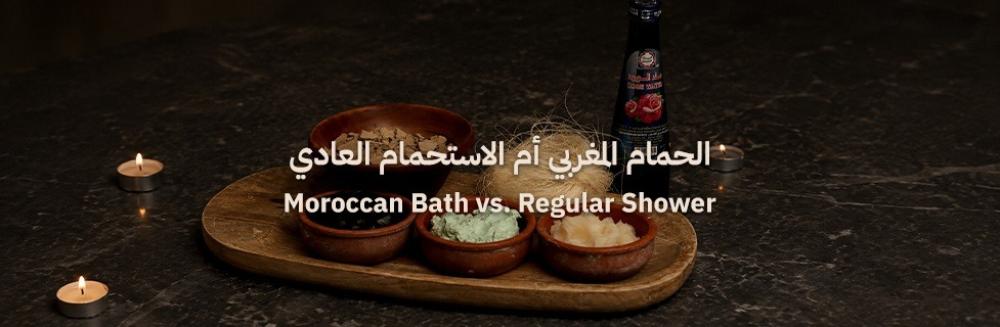

In the fast-paced lifestyle of Riyadh, the modern man is constantly seeking effective ways to rejuvenate and maintain a polished appearance. Many believe that a quick daily shower is enough to keep the body clean. However, have you ever wondered why you feel a massive difference in energy and skin freshness after a professional Moroccan Bath session?
The difference between a Moroccan Bath and regular showering goes beyond just using water and soap; it represents a transition from "routine hygiene" to an "integrated wellness ritual." In this guide, we will dive deep into these differences and explain how a traditional Moroccan bath can transform your personal care routine and the health benefits that make experts at Ocean Spa recommend it as a monthly essential.
What Sets the Moroccan Ritual Apart from Daily Hygiene?
When we talk about a regular shower, we are referring to a quick process aimed primarily at removing surface dust and odors accumulated throughout the day. However, when answering the question "What is a Moroccan Bath?", we are describing a deep "exfoliation and detoxification" process for the tissues.
While a home shower only cleans the outer layer of the skin, the Moroccan bath steam relies on heat and humidity penetrating deep into the pores, allowing the body to expel stored toxins. It is an experience that combines physical therapy, mental relaxation, and aesthetic grooming, something that cannot be achieved under a quick domestic shower head.
Moroccan Bath vs. Regular Showering: 5 Core Differences
To realize the true value you receive at a massage spa center like Ocean Spa, here are the five major points of difference:
1. Depth of Skin Cleansing and Dead Cell Removal
In a regular shower, you remove surface dirt and oils. In a Moroccan bath, the cornerstone is the "Tabrima" and exfoliation using the authentic Moroccan Loofah (Kessa glove). This process removes accumulated layers of dead skin that regular soap cannot reach, allowing your skin to breathe again and granting you a silky-smooth texture.
2. Stimulating Blood Circulation and Collagen Production
Thanks to the vigorous scrubbing during exfoliation and the body's exposure to varying temperatures in the steam rooms, blood flow to the skin's surface increases. This doesn't just make you feel vibrant; it stimulates your cells to produce natural collagen, which delays signs of aging and maintains skin elasticity.
3. Quality of Materials Used (Beldi Soap and Loofah vs. Regular Body Wash)
Daily showering often involves commercial body washes containing chemicals that can strip the skin of its natural moisture. In contrast, the Moroccan Bath relies on "Beldi Soap" (Black Soap) made from olive oil, or a Royal Moroccan Bath with Argan Oil, or even Moroccan Baths with Scented Herbs or Dead Sea Mud. These are natural materials rich in vitamins that nourish the skin rather than exhausting it.
4. Relieving Muscle Tension and Providing Deep Relaxation
Have you ever felt "lighter" after a bath? This rarely happens with a regular shower. But in the Health Club and Jacuzzi section of a Moroccan bath, the high heat relaxes cramped muscles and unlocks knots caused by long office hours or driving in Riyadh traffic. This makes it a therapeutic experience very similar to the benefits of massage for the body for men.
5. Brightening Skin Tone and Evening Out Pigmentation
Riyadh’s harsh climate and sun exposure cause dark pigmentations on the neck, shoulders, and back. A regular Moroccan bath effectively helps in lightening these areas and evening out the skin tone by removing the "grey layer" of damaged cells, a feat a regular shower cannot achieve regardless of the soap quality.
"A Moroccan bath at Ocean Spa for men is not just washing the body; it is a journey to restore physical and psychological balance, where warmth meets comfort and grooming."
Benefits of Moroccan Bath for Men
Many men in Riyadh ask: Is the Moroccan bath healthy for an athlete or a busy professional? The answer is a resounding yes. Here is why every man needs this:
- Post-Gym Detox: It removes deep residues and odors left by sweat and proteins that a regular shower might miss.
- Treating Ingrown Hairs: Exfoliating with the Moroccan loofah prevents clogged pores that cause annoying bumps after shaving.
- Occasion Prep: It gives the face and body an instant glow and cleanliness, ensuring you look your best for meetings or social events.
- Combatting "Winter Blues": The warmth and steam significantly improve general mood during the colder months.
How to Turn Your Traditional Home Shower into a DIY Moroccan Spa Experience
If you don't have time to visit the center this week, you can partially simulate the experience at home, though the professional steam and the "Harra" (specialist) scrubbing are irreplaceable.
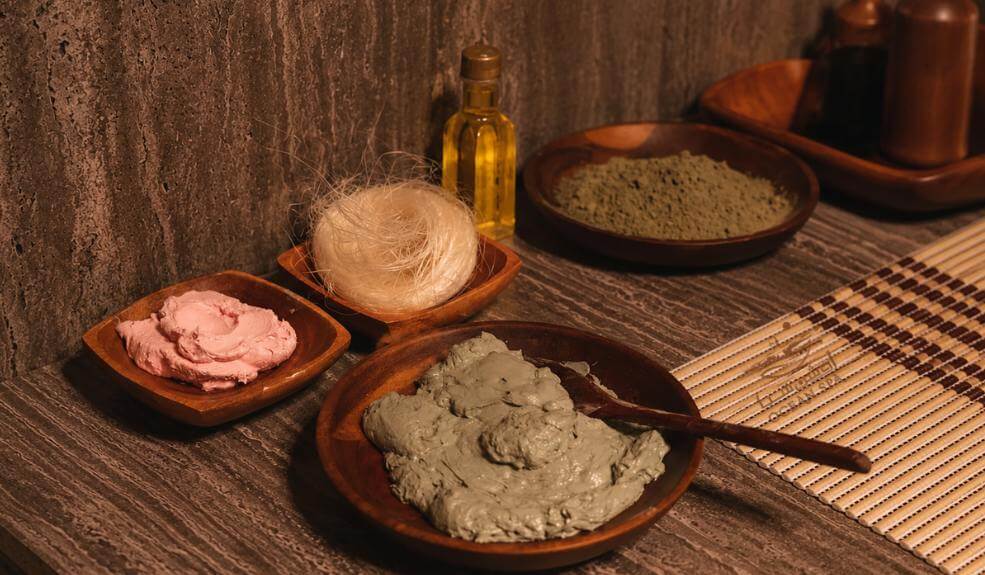
Essential Ingredients for an Authentic Moroccan Bath
To get a satisfactory result, you will need:
- Authentic Moroccan Beldi Soap (Black Soap).
- High-quality Moroccan Loofah (Kessa glove).
- Moroccan Clay (Ghassoul) or Dead Sea Mud.
- A soft sponge and natural Rose Water for final hydration.
Correct Steps to Open Pores and Exfoliate Without Irritation
- The Steam: Let the bathroom fill with hot steam for 15 minutes before starting.
- Application: Spread the Moroccan soap all over your body and leave it for 10 minutes.
- The Rinse: Rinse your body thoroughly with warm water until all soap residue is gone (exfoliation fails if soap is still present).
- The Scrub: Use the Moroccan loofah in long, firm strokes to see the dead skin roll off.
- Hydration: Use Argan oil or a moisturizing lotion immediately after to close the pores.
What are the harms of overusing a coarse Moroccan loofah on the skin?
Despite the benefits, there are potential harms of the Moroccan bath if done incorrectly. Excessive scrubbing or using an overly coarse loofah daily can lead to:
- Skin Irritation and Redness: Resulting in microscopic tears in the skin.
- Reverse Pigmentation: The skin may react to extreme friction by producing melanin, causing the skin to darken rather than lighten.
- Severe Dryness: Due to the destruction of the skin's protective barrier.
Types of Moroccan Baths at Ocean Spa
At Ocean Spa, we offer various options tailored to your taste:
- Classic Moroccan Bath: The traditional ritual for deep cleanliness.
- Moroccan Bath with Scented Herbs: An aromatic experience for nerve relaxation.
- Royal Moroccan Bath: A majestic treatment including face and body masks.
- Royal Moroccan Bath with Argan Oil: The top choice for those with dry skin in the Riyadh winter.
We also offer the Turkish Bath with Shea and Argan Oil or herbs, for those who prefer an abundant foam massage and relaxing on hot marble.
Book Your Next Session: Enjoy the Best Care and Comfort in Riyadh
Now that you know the vast difference between a Moroccan Bath and regular showering, isn't it time to pamper yourself? At Ocean Spa, we offer a world of comfort combining Moroccan traditions with elite massage types.
Don't wait; your body deserves this break.
Contact us now via our website or visit our branch to discover the true meaning of relaxation at the best massage spa center in Riyadh.
Frequently Asked Questions About Body Care
Here are the most common questions our clients at Ocean Spa ask regarding a proper care routine:
How many times per month should I have a Moroccan bath for the best results?
For sustainable results, experts recommend a Moroccan Bath once every two weeks (twice a month). This timing is ideal because it gives your skin enough time to regenerate. Overdoing it (more than once a week) can strip the natural protective oils, while leaving it for too long (over a month) leads to the accumulation of dead skin and acne.
Can a daily regular shower replace deep exfoliation sessions?
Absolutely not. A regular shower is a surface hygiene procedure (removing sweat and dust). The difference between a Moroccan Bath and a regular shower is that the latter cannot penetrate the "hardened dead cells" on the skin's surface. Deep exfoliation (Peeling) is the only way to clean clogged pores and unify skin tone.